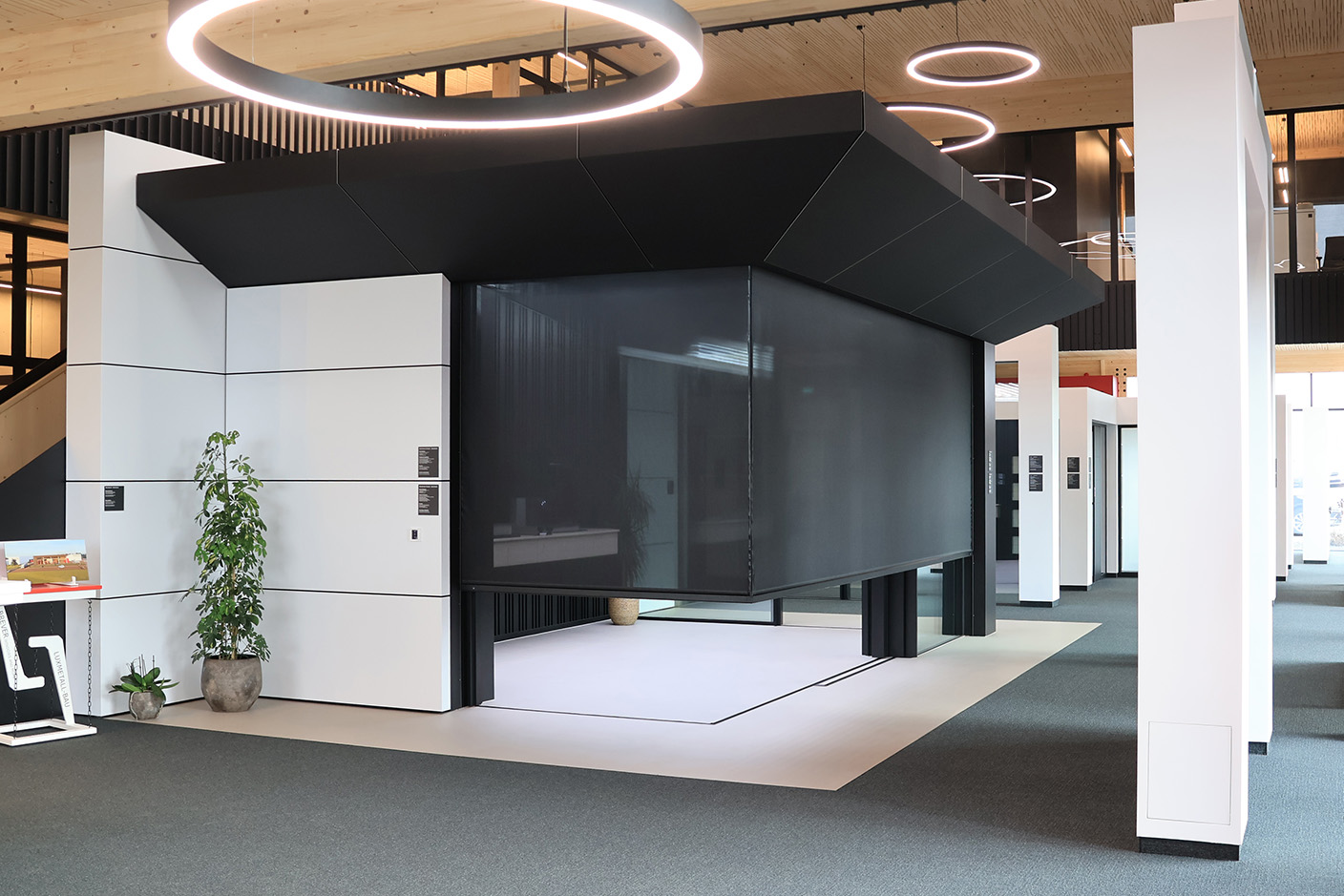
External venetian blinds are external, adjustable slat systems that provide effective solar shading and at the same time allow flexible light regulation.
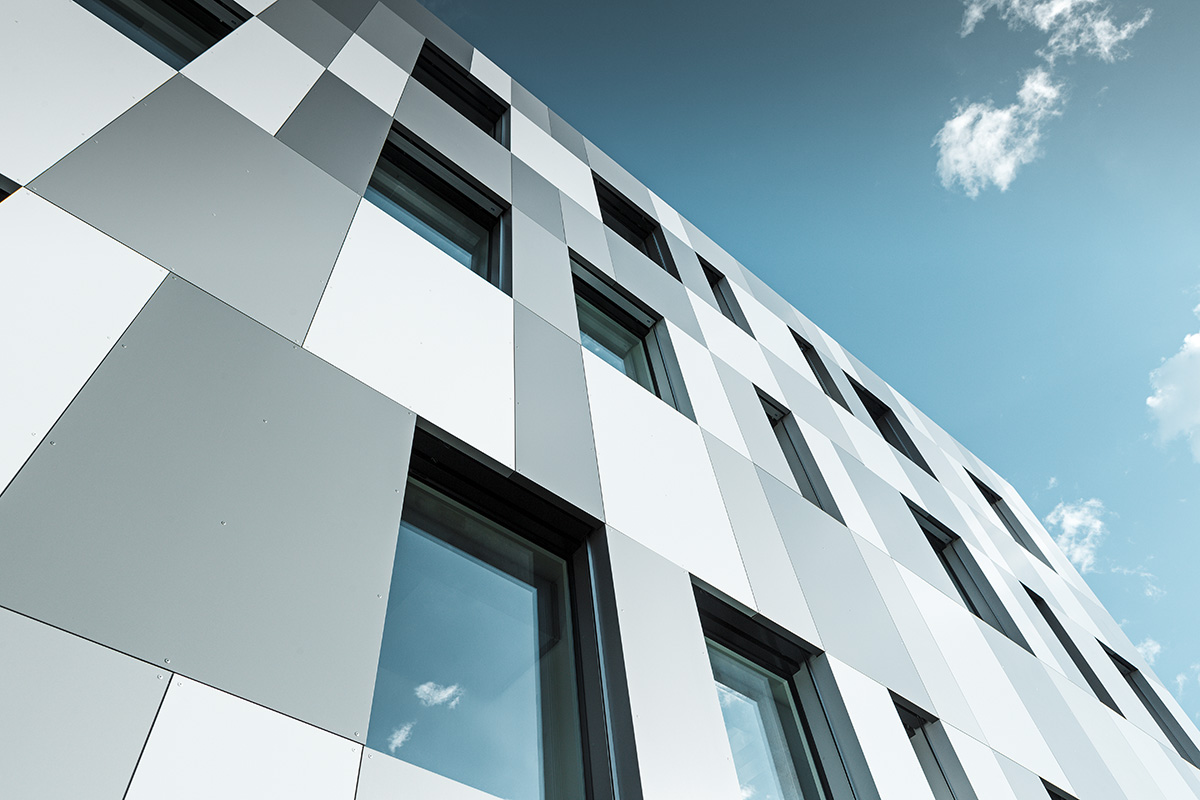
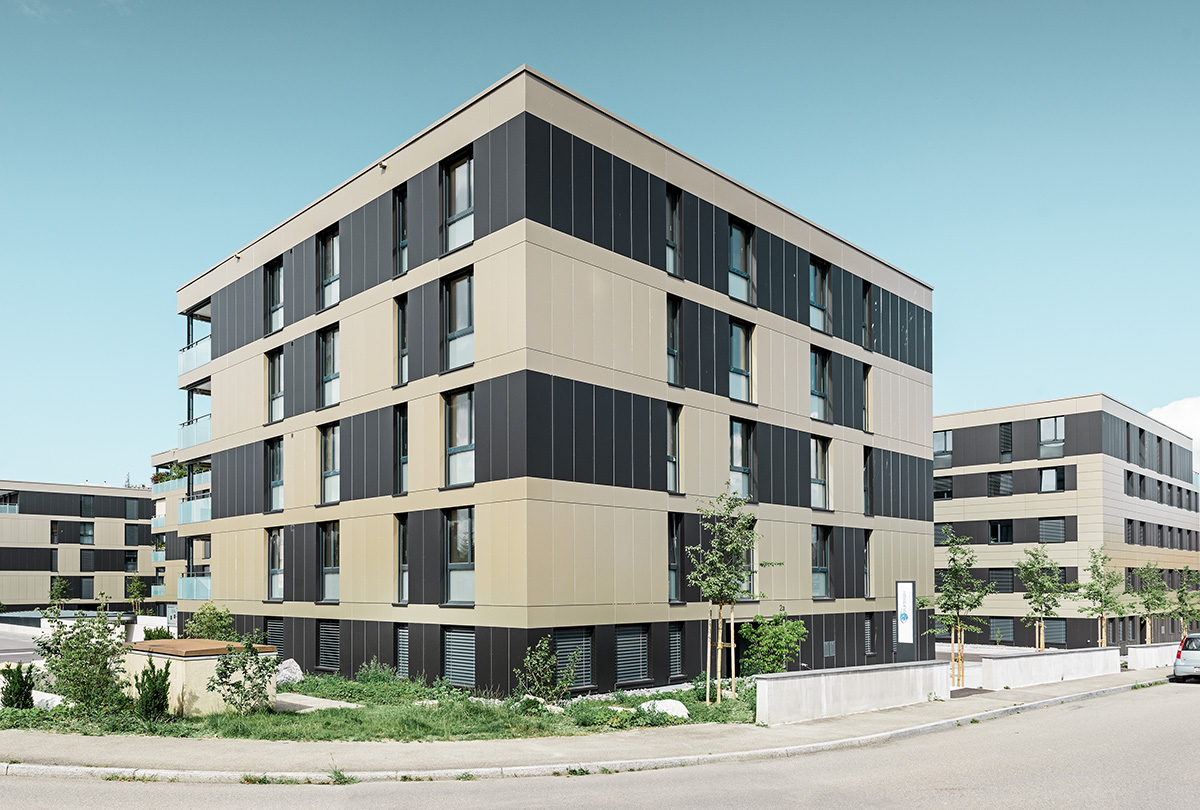
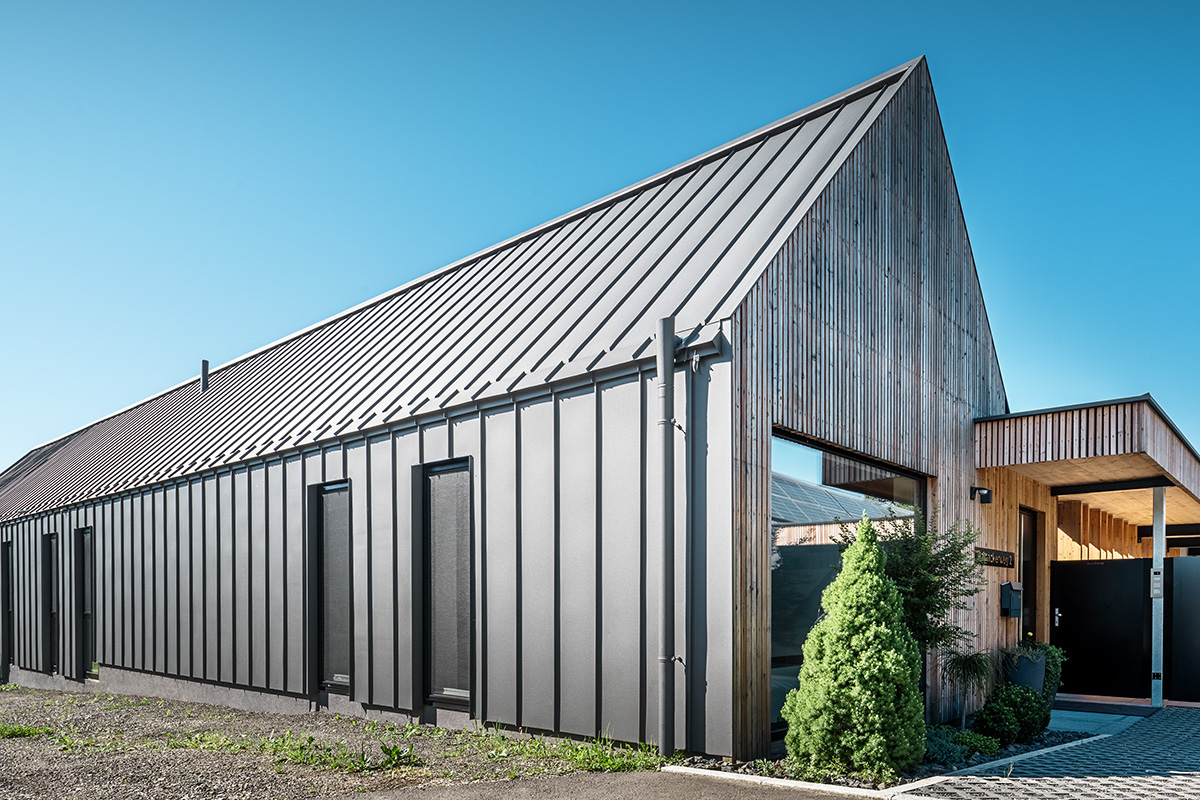
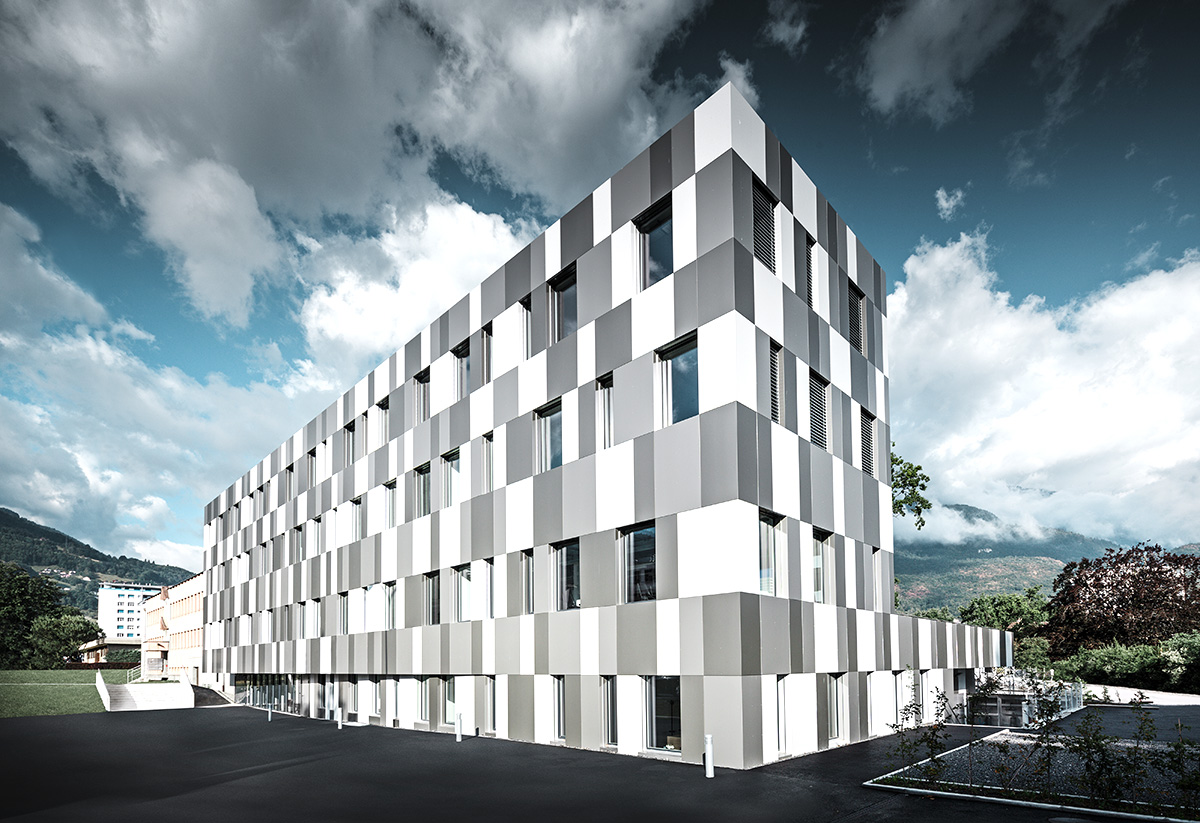
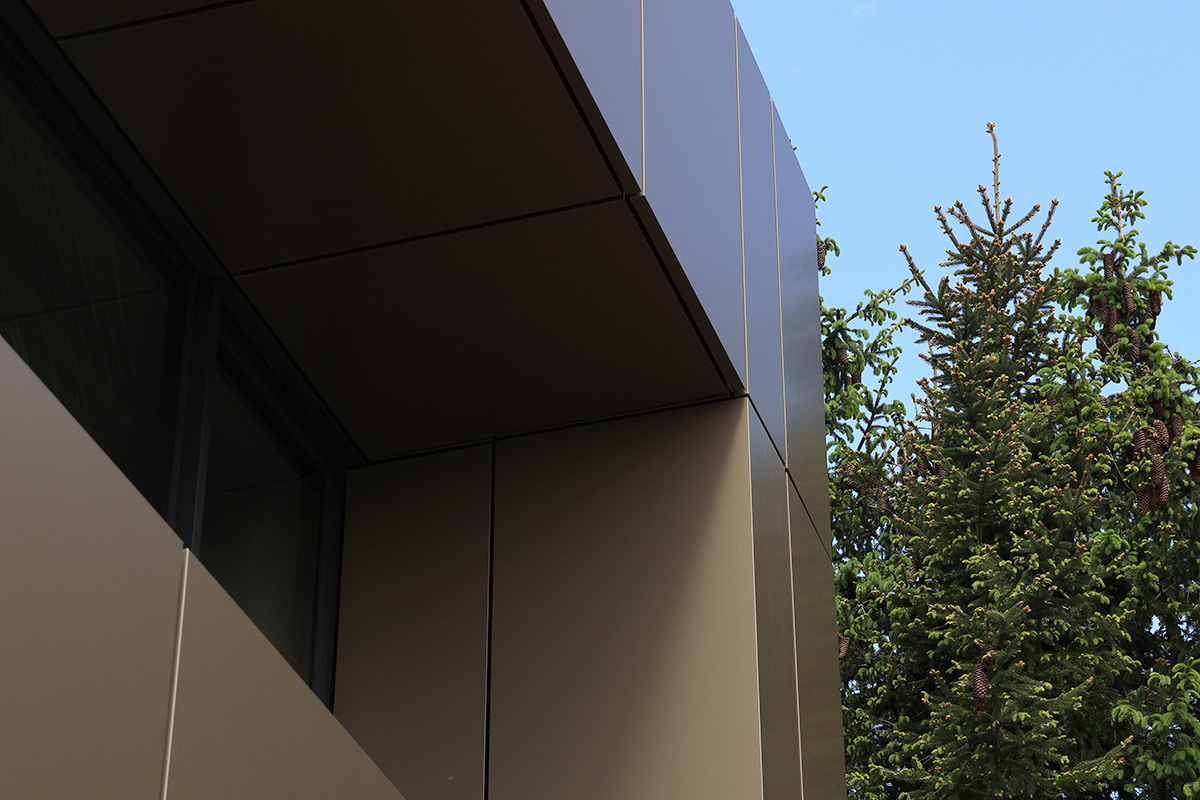
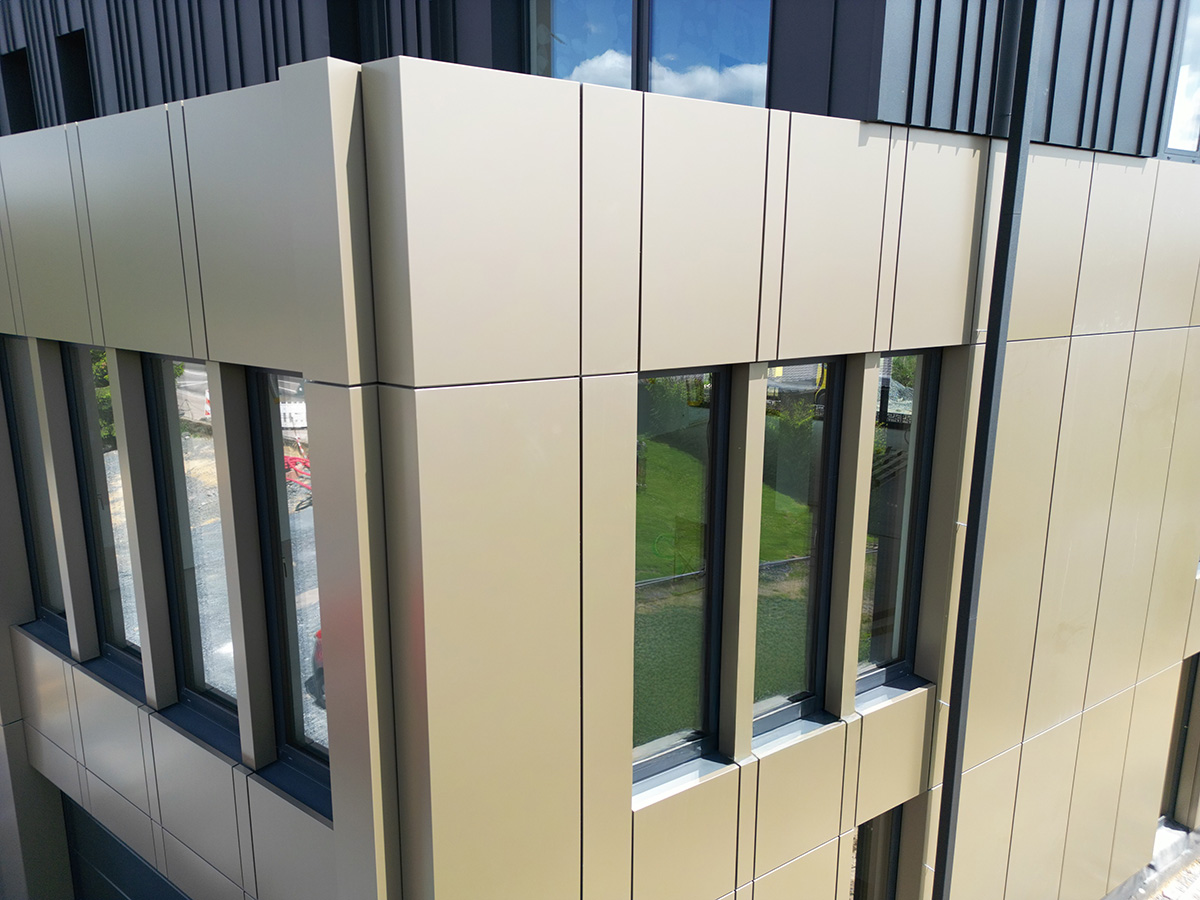
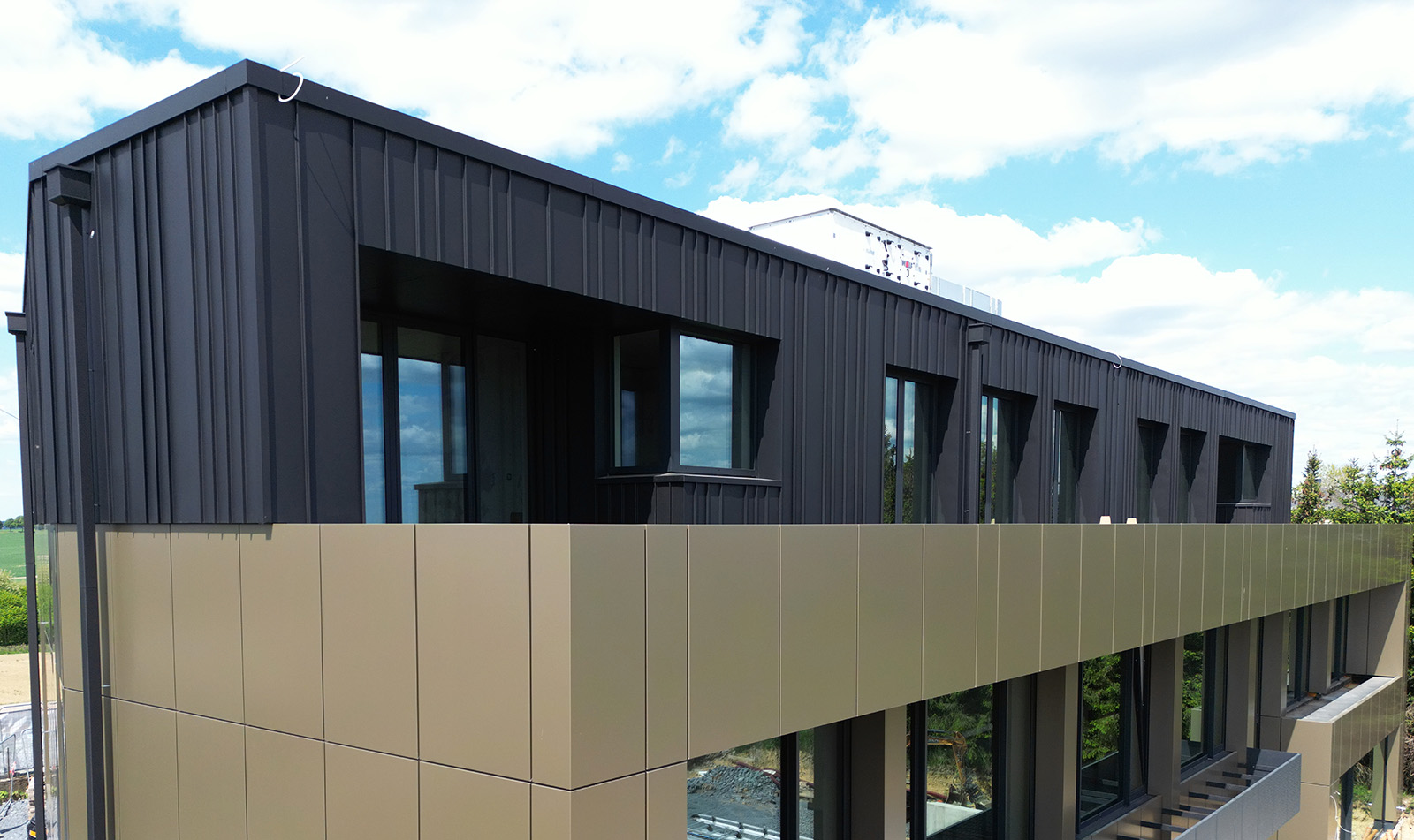
Rear-ventilated facade systems are non-load-bearing façade systems that are hung in front of the actual building structure.
Properties
A rear-ventilated facade system offers numerous advantages compared to an insulating plaster façade. It allows a high degree of flexibility in design and can be easily attached to existing buildings without changing the supporting structure. It effectively protects the building from weather influences such as rain, wind and extreme temperatures and ensures excellent insulation performance. The additional layer improves thermal comfort and reduces energy consumption. It also contributes to noise reduction and ensures a quiet indoor environment.
Another advantage of the rear-ventilated facade systems is the possibility of implementing individual designs, as it can be made from various materials such as glass, aluminium or steel. It is low-maintenance and has a long service life. In combination with modern solar shading systems, it can control the heat input and thus further reduce energy requirements. In contrast, an insulating render façade has disadvantages such as the risk of fungal attack, especially in humid climates, as well as the risk of cracks and regular repairs. These façades also need to be repainted, which involves additional work and higher costs in the long term. This is why many building owners opt for curtain walling, which is both functional and aesthetically pleasing.
Thanks to its multi-layer structure, the rear-ventilated facade system improves insulation, which saves energy and reduces the noise level in the building.
It offers great architectural freedom in the choice of materials (e.g. glass, metal, stone) and design without affecting the load-bearing structure.
The outer façade skin protects the building from rain, wind and UV radiation, which preserves the building in the long term.
{
“@context”: “https://schema.org”,
“@type”: “FAQPage”,
“mainEntity”: [
{
“@type”: “Question”,
“name”: “Was ist eine Vorhangfassade?”,
“acceptedAnswer”: {
“@type”: “Answer”,
“text”: “Eine Vorhangfassade ist eine nicht tragende Außenwandkonstruktion, die vor die Gebäudehülle gesetzt wird und aus Materialien wie Glas oder Metall bestehen kann.”
}
},
{
“@type”: “Question”,
“name”: “Welche Vorteile bietet eine Vorhangfassade?”,
“acceptedAnswer”: {
“@type”: “Answer”,
“text”: “Sie bietet eine ausgezeichnete Wärmedämmung, Schallschutz, Witterungsschutz, architektonische Freiheit und ist wartungsarm sowie langlebig.”
}
},
{
“@type”: “Question”,
“name”: “Wie werden Vorhangfassaden befestigt?”,
“acceptedAnswer”: {
“@type”: “Answer”,
“text”: “Sie werden an einer separaten Unterkonstruktion befestigt und sind nicht tragend, sondern hängen vor dem Gebäude.”
}
},
{
“@type”: “Question”,
“name”: “Sind Vorhangfassaden teuer in der Installation?”,
“acceptedAnswer”: {
“@type”: “Answer”,
“text”: “Die Investition ist höher als bei klassischen Fassaden, amortisiert sich aber durch bessere Energieeffizienz und geringeren Wartungsaufwand.”
}
},
{
“@type”: “Question”,
“name”: “Sind Vorhangfassaden nachhaltig?”,
“acceptedAnswer”: {
“@type”: “Answer”,
“text”: “Ja, insbesondere bei Einsatz umweltfreundlicher Materialien wie Aluminium oder Glas mit guter Dämmleistung und Recyclingfähigkeit.”
}
}
]
}